AUTOMATED STORAGE SYSTEM LEADS TO MAXIMIZING SPACE
Storage System In today’s fast-paced and increasingly digitized world, the implementation of automated storage systems in warehouses has become a game-changer. These advanced solutions, also known as automated storage and retrieval systems (AS/RS), are transforming traditional warehousing practices by optimizing space utilization, enhancing operational efficiency, and revolutionizing inventory management. In this article, we will explore the benefits and functionalities of automated storage systems, their role in self-storage facilities, the impact of automated management systems, and the future of automation in storage solutions.
The Power of Automated Storage Systems in Warehouses:
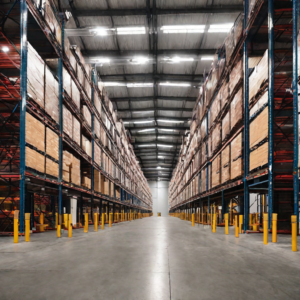
Automated storage systems are significantly impacting warehouse operations by revolutionizing storage and retrieval processes. By utilizing vertical space efficiently, these systems maximize storage capacity, enabling businesses to store a vast number of items within a compact area. Automated storage systems employ advanced robotics. Implementing these systems leads to improved operational efficiency and reduced labor requirements.
Automated Self-Storage:
Automated Management Systems:
Automation System Integration:
Automated storage system has gained significant traction in the warehousing industry due to their numerous advantages. Let’s delve deeper into each topic and explore the benefits and impact.
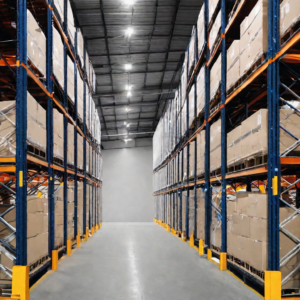
Automated Storage Systems in Warehouses:
Automated storage systems utilize advanced technology to optimize storage capacity and improve operational efficiency. So, these systems often consist of high-rise racks, vertical carousels, and robotic shuttles that can efficiently store and retrieve items. They leverage intelligent software algorithms to determine the optimal storage location for each item based on factors such as size, weight, and demand frequency. This maximizes the use of available space and minimizes the time required for item retrieval. Automated storage systems are particularly beneficial for industries with high-volume storage needs, such as e-commerce, manufacturing, and distribution.
Automated Self-Storage:
Facilities of automated self-storage cater to individuals and businesses seeking convenient and flexible storage solutions. So, these facilities are equipped with automated access systems that allow customers to enter the facility. Customers typically use personalized access codes or biometric identification, such as fingerprints or facial recognition, to gain entry. Automated self-storage facilities often provide 24/7 access, allowing customers to retrieve or store their belongings at any time that suits them. This eliminates the need for staff assistance and provides a seamless and hassle-free self-storage experience.
Automated Management Systems:
Automated management systems play a crucial role in the effective operation of automated storage systems. Also, these systems integrate with the storage infrastructure and utilize sophisticated software to monitor and control inventory. They provide real-time visibility into stock levels, track item locations, and manage inventory movement. Automated management systems can also incorporate features such as barcoding, and RFID (Radio-Frequency Identification). These systems enable businesses to have better control over their inventory, reduce errors, streamline processes, and make data-driven decisions.
Integration of Automation Systems:
The future of automated storage solutions lies in the integration of various automation systems within warehouses. This integration involves combining automated storage systems with other technologies such as robotic picking systems, conveyor systems, and artificial intelligence. Robotic picking systems can work in tandem with automated storage systems to handle the retrieval and sorting of items, further optimizing efficiency and reducing human intervention. Conveyor systems can facilitate the seamless movement of items between different automated storage modules, enhancing the overall flow of materials within the warehouse. Artificial intelligence can be leveraged to analyze data and optimize inventory placement. The integration of these automation systems creates a holistic and interconnected ecosystem that improves productivity, and accuracy.
Conclusion
Automated storage systems have emerged as a game-changer in the warehousing industry, transforming the way businesses store, manage, and retrieve inventory. They maximize space utilization, streamline operations, enhance inventory control, and improve overall efficiency. Beyond warehouses, automated self-storage facilities provide customers convenience and accessibility, while automated management systems revolutionize inventory control. As automation continues to advance, the integration of various systems will pave the way for a fully automated storage and fulfillment ecosystem. By embracing these technologies, businesses can stay ahead of the competition, meet customer expectations, and thrive in the age of automation.
Comments
Post a Comment