Optimizing Warehouse Efficiency: Exploring Automated Storage Systems
An automated storage system is designed to optimize the utilization of available space by utilizing vertical storage capacity and reducing the reliance on traditional shelving or racking systems. They typically consist of automated storage and retrieval systems (AS/RS) that utilize robotic mechanisms or conveyor systems to store and retrieve items from designated storage locations. These systems can handle a wide range of products, from small parts to large pallets, with high precision and speed.
In today's fast-paced and highly competitive business landscape, warehouse operations are constantly seeking innovative solutions to enhance efficiency and productivity. One such solution that has gained significant traction is the implementation of automated storage systems. These advanced systems leverage cutting-edge technology to streamline inventory management, improve space utilization, and expedite order fulfillment processes.
what are the advantages and disadvantages of an automated storage system?
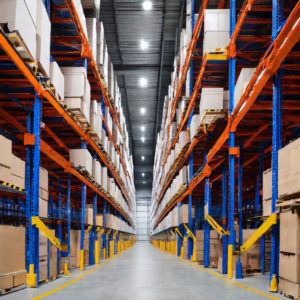
Automated storage systems offer numerous advantages that contribute to operational excellence. Firstly, they significantly optimize space utilization by utilizing vertical storage capacity and reducing the need for expansive floor space. This allows warehouses to store a larger volume of inventory within a smaller footprint.
Secondly, automated storage system enhance inventory accuracy and traceability. With integrated tracking and management software, businesses can precisely monitor stock levels, track item movements, and ensure accurate order fulfillment. This minimizes errors and reduces the risk of stockouts or overstocking.
However, it's important to consider the potential disadvantages of automated storage systems. Initial implementation costs can be substantial, including the investment in infrastructure, equipment, and software. Additionally, maintenance and repair expenses may arise over time. Moreover, the complexity of automated systems may require specialized training for employees, which can lead to additional costs and time.
Unlocking Warehouse Efficiency: The Power of Automation in Streamlining Operations:
Numerous aspects of warehouse operations can be automated to improve efficiency, accuracy, and productivity. Some of the key areas that can be automated in a warehouse include:
Inventory Management: Automated systems can track inventory levels, monitor stock movements, and provide real-time visibility into stock availability. This includes automated stock counting, cycle counting, and inventory reconciliation.
Order Processing: Automation can be applied to order picking, packing, and sorting processes. This involves utilizing technologies such as barcode scanners, pick-to-light systems, conveyor systems, and robotic arms for efficient order fulfillment.
Material Handling: Automated guided vehicles (AGVs) and robotic systems can automate the movement of goods within the warehouse, including loading and unloading of trucks, transporting items between different storage areas, and replenishing pick locations.
Storage and Retrieval: Automated storage and retrieval systems (AS/RS) can handle the storage and retrieval of goods, optimizing space utilization and reducing reliance on manual shelving or racking. This includes vertical lift modules (VLMs), vertical carousels, and automated pallet racking systems.
what are the two basic categories of automated storage systems?
Automated storage systems can be broadly categorized into two main types: vertical lift modules (VLMs) and horizontal carousels.
- Vertical Lift Modules (VLMs):
VLMs are vertical towers consisting of multiple trays or shelves that automatically retrieve and deliver items to an ergonomic workstation. These systems employ a lift mechanism that vertically moves the trays or shelves, optimizing the use of vertical space. VLMs are ideal for storing small to medium-sized items and are renowned for their space-saving capabilities and efficient picking processes.
- Horizontal Carousels:
Horizontal carousels consist of a series of bins or shelves that rotate horizontally on an oval track. The bins are automatically presented to the operator, enabling efficient order picking and replenishment. This system is particularly suitable for fast-moving items or those requiring frequent access. Horizontal carousels offer high throughput rates and reduce travel time for operators, leading to improved picking efficiency.
what is an automated storage system and material handling system?
Automated storage and material handling systems refer to integrated solutions that combine advanced technology, machinery, and software to automate various aspects of storage and handling processes in warehouses and distribution centers. These systems aim to streamline operations, improve efficiency, and enhance productivity.
Material handling systems, on the other hand, focus on the movement and transportation of goods within a warehouse or distribution center. They encompass various automated technologies such as conveyor systems, robotic arms, automated guided vehicles (AGVs), and sorting systems. These systems work together to efficiently transport items between different storage areas, picking stations, packing areas, and shipping zones.
By integrating automated storage and material handling systems, businesses can achieve several benefits. These include:
- Increased Efficiency: Automated systems eliminate manual handling and reduce human error, resulting in faster and more accurate operations.
- Optimal Space Utilization: Vertical storage solutions maximize storage capacity, allowing businesses to store a larger volume of inventory within a smaller footprint.
- Improved Inventory Management: Advanced software and tracking systems provide real-time visibility into stock levels, locations, and movements, enabling better inventory control and reducing stockouts or overstocking.
- Enhanced Safety: Automated systems minimize the risk of accidents and injuries associated with manual material handling tasks.
- Cost Savings: By automating processes, businesses can achieve higher throughput rates, reduced labor costs, and improved overall operational efficiency.
Automated storage and material handling systems are highly customizable, allowing businesses to tailor the solutions to their specific needs and industry requirements. These systems have become increasingly prevalent in industries such as retail, e-commerce, manufacturing, and logistics, where efficient storage and handling of goods are crucial for success in a competitive market.
Conclusion:
Automated storage systems play a vital role in transforming traditional warehousing practices into highly efficient and streamlined operations. Despite the initial investment costs and potential complexities, the advantages of these systems, such as optimized space utilization and enhanced inventory management, outweigh the disadvantages. By understanding the different types of automated storage systems, warehouses can make informed decisions to improve their overall operational efficiency and stay ahead in the competitive market.
Comments
Post a Comment